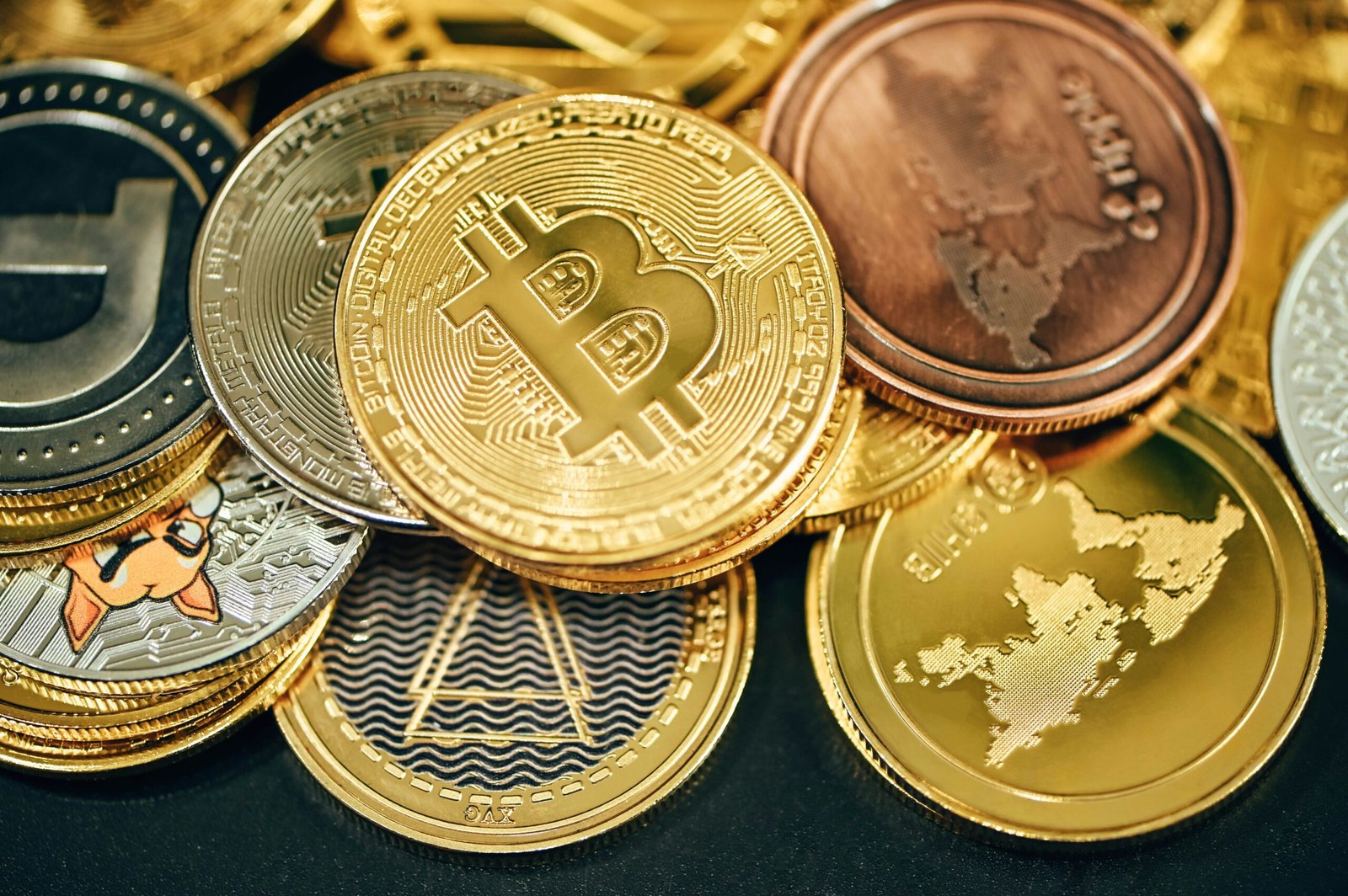
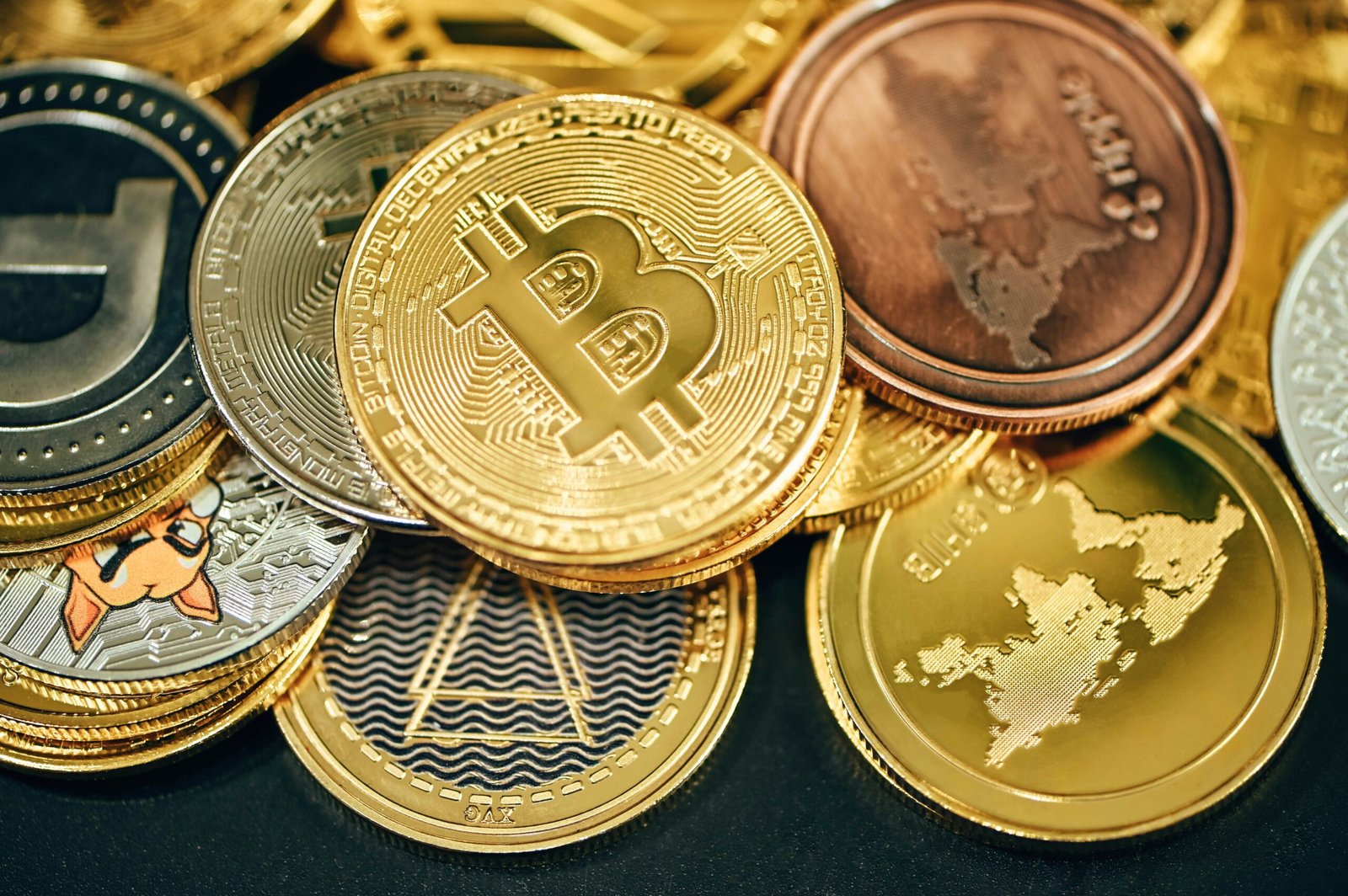
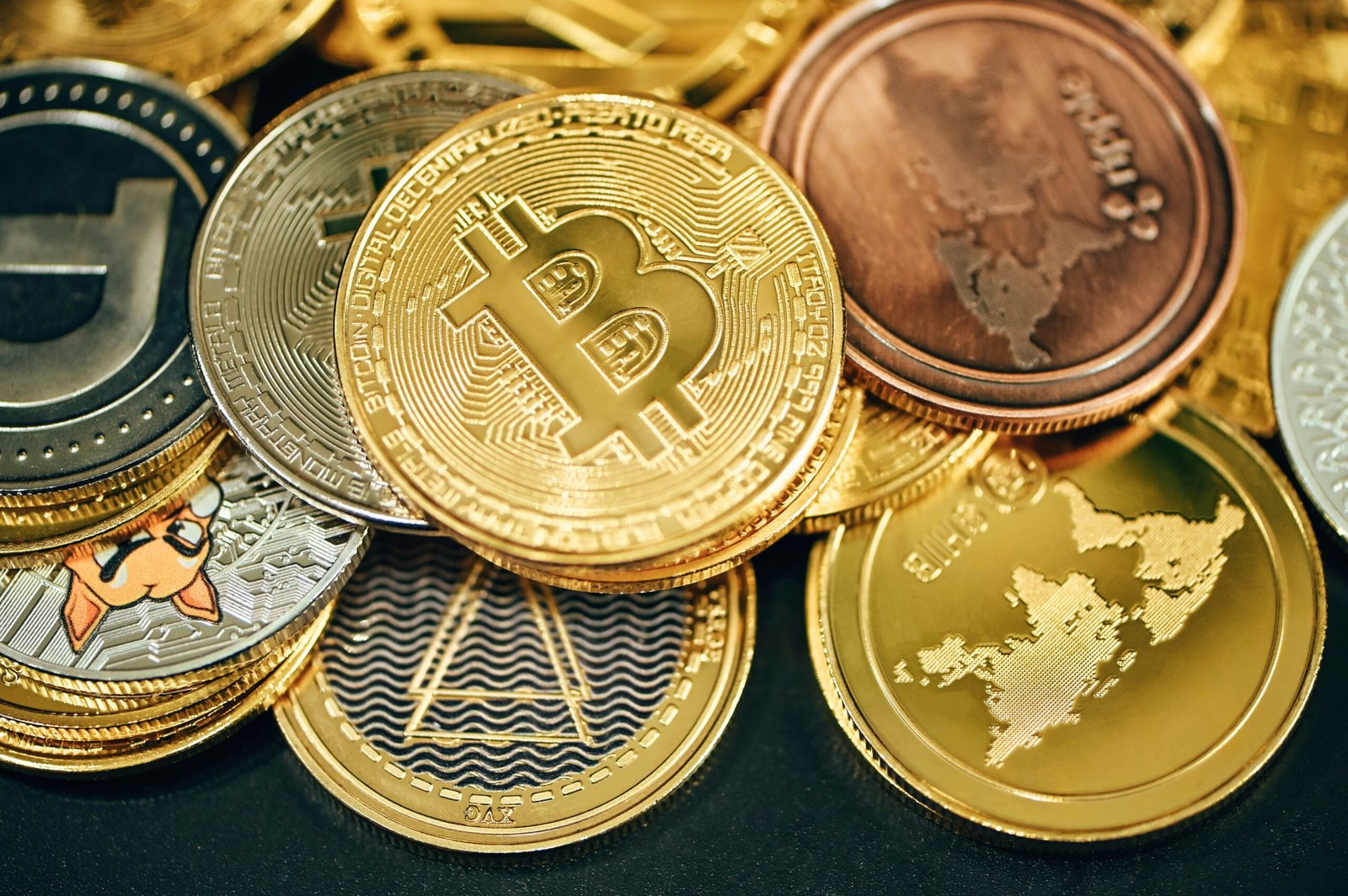
Cryptocurrencies represent a transformative shift in the financial landscape, characterized by their decentralized nature and reliance on blockchain technology. At their core, cryptocurrencies are digital or virtual currencies that utilize cryptography for security, making them difficult to counterfeit or double-spend. Unlike traditional currencies issued by governments, these digital assets operate on a technology called blockchain, which is a distributed ledger that records all transactions across a network of computers. This decentralized nature ensures that no single entity holds control over the currency, which enhances security and reduces the risk of fraud.
The origins of cryptocurrencies can be traced back to the introduction of Bitcoin in 2009 by an anonymous individual or group known as Satoshi Nakamoto. Bitcoin was designed to serve as a peer-to-peer electronic cash system that empowers users to conduct transactions directly without the need for intermediaries, such as banks. Its innovative approach has since inspired the development of thousands of alternative cryptocurrencies, each with unique features and purposes, encompassing a wide range of uses from remittances and online purchases to smart contracts and decentralized applications.
As digital currencies gain traction, their popularity continues to soar, particularly among those seeking alternative investment opportunities or ways to enhance financial privacy. Traditional investors and tech enthusiasts alike are drawn to the potential financial gains, leading to an increased global interest in cryptocurrencies. Furthermore, the rise of blockchain technology has paved the way for numerous applications beyond finance, including supply chain management, healthcare, and identity verification. Thus, the distinct characteristics of cryptocurrencies, along with their underlying technologies, are central to understanding their role within the modern financial ecosystem, ultimately setting the stage for discussions on Jio Coin and Bitcoin.
What is Bitcoin?
Bitcoin is a pioneering digital currency that was introduced in 2009 by an anonymous individual or group known as Satoshi Nakamoto. It operates on a decentralized network, allowing for direct peer-to-peer transactions without the need for an intermediary, such as a bank or financial institution. This fundamental aspect of Bitcoin is what primarily sets it apart from traditional currencies, enabling users to transfer value freely across borders while maintaining a degree of privacy.
At its core, Bitcoin functions on a technology called blockchain, which is a distributed ledger that securely records all transactions. Each transaction is verified by network participants known as miners, who compete to solve complex cryptographic puzzles. Upon solving these puzzles, miners add transactions to the blockchain, ensuring transparency and security within the system. This decentralized approach protects Bitcoin from manipulation and provides users with more control over their assets.
Bitcoin’s significance in the cryptocurrency market cannot be overstated. As the first cryptocurrency, it has created a new paradigm in the world of finance, inspiring countless altcoins and blockchain projects that followed. Major milestones in Bitcoin’s evolution include its first real-world transaction in 2010, where 10,000 BTC was exchanged for two pizzas, and its meteoric rise in popularity and value. Bitcoin has also been recognized as a form of digital gold, becoming a popular hedge against inflation for many investors seeking to diversify their portfolios.
Through its innovative technology and principles, Bitcoin has revolutionized the way people think about money. Understanding Bitcoin not only sheds light on the original cryptocurrency but also illustrates the broader implications of a decentralized financial system. As it evolves, Bitcoin continues to spark discussions about the future of currency, investment, and the nature of financial transactions in a digital age.
What is Jio Coin?
Jio Coin is an emerging cryptocurrency that has been developed within the framework of the Reliance Industries ecosystem. The inception of Jio Coin is rooted in the desire to create a digital currency that facilitates transactions within the company’s vast array of services, spanning telecommunications, retail, and digital platforms. Unlike Bitcoin, which functions as a decentralized digital currency, Jio Coin aims to enhance user experience specifically within the Reliance ecosystem, focusing on utility rather than sheer investment potential.
The vision behind Jio Coin is to leverage blockchain technology to streamline transactions, ensure transparency, and enhance overall security in digital dealings. By providing a robust infrastructure, Jio Coin allows users to engage with various services offered by Reliance, such as JioMart and JioSaavn, thereby reinforcing customer loyalty and integrating financial services at multiple touchpoints. This integration positions Jio Coin as a valuable asset within a closed-loop ecosystem, which significantly differs from Bitcoin’s open and highly speculative nature.
From a technological perspective, Jio Coin builds upon advanced blockchain protocols designed to support rapid, low-cost transactions, allowing users to conduct their business with efficiency. The underlying framework emphasizes scalability and adaptability, making it suitable for handling high transaction volumes—a notable advantage in the context of Reliance’s extensive customer base. Furthermore, Jio Coin is expected to incorporate features such as smart contracts, providing users with an automated way to execute agreements without the need for intermediaries. This positions Jio Coin not just as a currency but as part of a comprehensive digital infrastructure fostered by Reliance, setting it apart from more established cryptocurrencies like Bitcoin.
Key Differences Between Jio Coin and Bitcoin
The comparison between Jio Coin and Bitcoin reveals significant distinctions that highlight the diverse nature of these two digital currencies. First and foremost, the underlying technology of Bitcoin is rooted in a decentralized blockchain, which promotes transparency and security through its distributed ledger system. This revolutionary approach allows users to operate within a peer-to-peer network without the need for intermediaries. In contrast, Jio Coin operates on a centralized framework, which means it is governed by a single entity or organization, in this case, Jio. This centralization may facilitate faster transaction processing and control over network integrity, but it inherently limits the transparency and autonomy enjoyed by Bitcoin users.
Another critical difference lies in governance. Bitcoin’s decentralized governance empowers its community of users to participate in decision-making processes, such as updates to the protocol and consensus rules. This democratic approach contrasts sharply with Jio Coin, which is likely to be subject to regulations and operational directives determined by its parent organization. As a result, the flexibility and adaptability of Jio Coin may be constrained by corporate strategies and compliance requirements, unlike Bitcoin, which can evolve organically based on community consensus.
Potential use cases for these currencies also diverge significantly. Bitcoin has proven to be a viable alternative to traditional fiat currencies, functioning as a store of value and a medium for transactions in various sectors. In contrast, Jio Coin may be designed primarily for use within Jio’s ecosystem, potentially catering to a specific target audience that includes subscribers of Jio’s telecommunications services. Thus, while Bitcoin aims for universal applicability, Jio Coin appears to focus on enhancing customer engagement within a defined platform.
Market Adoption and Urgency of Bitcoin versus Jio Coin
The landscape of digital currencies has evolved dramatically since the inception of Bitcoin in 2009. As the first cryptocurrency, Bitcoin has established itself as a pioneering force in the market, achieving considerable adoption among both retail and institutional investors. Numerous reports indicate that as of October 2023, Bitcoin’s market capitalization exceeds $800 billion, signifying a degree of trust and credibility in its use as a medium of exchange and a store of value. Platforms like PayPal and numerous other financial institutions have included Bitcoin in their services, further cementing its status within the financial ecosystem.
On the other hand, Jio Coin is still in its early development phase and has not yet garnered the same level of traction. Launched by Reliance Industries, Jio Coin aims to integrate blockchain technology into its ecosystem, focusing primarily on enhancing operational efficiency. Despite the backing of a sizeable corporate entity, it lacks widespread acceptance among consumers and businesses alike. Data indicates that market participation for Jio Coin is minimal compared to Bitcoin, which has made significant inroads in establishing itself as a viable currency across various sectors.
Furthermore, Bitcoin has become a household name, symbolizing the broader cryptocurrency movement, whereas Jio Coin is relatively unknown outside its anticipated user base. Social media sentiment and online discussions reflect the robust interest in Bitcoin, with significant daily trading volumes reported on various exchanges. In contrast, Jio Coin’s community engagement and exchange presence pale in comparison, signaling that there is still considerable work required to boost its visibility and acceptability.
In essence, while Bitcoin continues to gain momentum and drive market adoption globally, Jio Coin remains a fledgling player, working to carve out its niche in an increasingly competitive cryptocurrency landscape.
Investment Potential: Bitcoin vs. Jio Coin
When evaluating the investment potential of cryptocurrencies, two prominent contenders are Bitcoin and Jio Coin. Bitcoin, the forefather of cryptocurrencies, has established a considerable track record since its inception in 2009. Its historical performance showcases significant fluctuations, contributing to its characteristic market volatility. Investors have witnessed dramatic price surges surpassing fifty thousand dollars, yet Bitcoin has also encountered steep declines, resulting in a risk landscape that can both deter and attract potential investors.
On the other hand, Jio Coin, a relatively new player in the cryptocurrency market, aims to leverage the extensive user base and technological infrastructure of the Jio network. Though Jio Coin has not yet garnered the same historical data as Bitcoin, its investment potential relies heavily on the backing and strategic direction of the RIL (Reliance Industries Limited). This relationship creates optimism for the future, as a strong market presence could enhance its credibility and value.
Investors must conduct thorough risk assessments when contemplating investments in these cryptocurrencies. Bitcoin’s long-established market dynamics and its introduction as a financial asset have led many experts to predict further stabilization and growth. Conversely, Jio Coin’s novelty means its trajectory remains uncertain, warranting caution and considerable investigation for potential investors.
Market analysts emphasize the importance of diversification within investment portfolios. Including multiple cryptocurrencies can mitigate potential risks associated with their unpredictability. Particularly for those new to the cryptocurrency landscape, exploring both Bitcoin and Jio Coin is essential for understanding their respective investment potentials. Each coin offers unique opportunities and challenges, thus warranting comprehensive evaluation before making any financial commitments.
Regulatory Environment: What to Expect
The regulatory landscape for cryptocurrencies is constantly evolving, and it plays a crucial role in shaping the future of digital currencies like Bitcoin and Jio Coin. Bitcoin, being the first cryptocurrency, has navigated a complex regulatory environment since its inception. Governments across the globe have adopted varied approaches to Bitcoin, ranging from outright bans to progressive regulations that seek to integrate it into the financial system. Countries such as the United States and Canada have relatively clear frameworks for Bitcoin, allowing it to be traded and used in transactions while enforcing compliance with anti-money laundering (AML) and know your customer (KYC) regulations.
On the other hand, Jio Coin, which is linked to the large-scale operations of Reliance Industries in India, faces a distinct regulatory backdrop. As a newer entrant in the cryptocurrency market, Jio Coin is still navigating its way through uncertain regulations in India. The Indian government has expressed cautious interest in cryptocurrencies but remains wary of risks associated with decentralization and lack of oversight. Potential regulations pertaining to Jio Coin could include guidelines that enforce strict compliance measures, consumer protection protocols, and taxation policies specifically for crypto-assets.
Looking toward future developments, it is essential for investors and stakeholders to monitor regulatory announcements, as these will significantly influence market dynamics. Stricter regulations on Bitcoin could dampen investor interest and volatility, while favorable regulations for Jio Coin might lead to increased adoption and usage, enhancing its market value. Thus, understanding the regulatory environment is vital for making informed investment decisions in both Bitcoin and Jio Coin. As regulatory bodies continue to assess and redefine their stance on cryptocurrencies, the entire landscape will undoubtedly experience shifts that impact the trajectory of these digital assets.
Future Prospects: Looking Ahead for Bitcoin and Jio Coin
As the cryptocurrency landscape continues to evolve, the future prospects for both Bitcoin and Jio Coin present intriguing opportunities and challenges. Bitcoin, often regarded as the pioneer of cryptocurrencies, has established a strong foothold in the digital finance domain. Its decentralized nature, coupled with a growing acceptance by institutional investors and retailers, positions it favorably for future growth. Moreover, ongoing technological advancements, such as the development of the Lightning Network, aim to enhance transaction speed and reduce costs, providing a more scalable solution to Bitcoin’s existing limitations.
On the other hand, Jio Coin, while newer in the cryptocurrency arena, is backed by a major telecommunications entity in India. This affiliation could potentially drive mainstream adoption, particularly in regions where access to financial services remains limited. The strategic integration of Jio Coin with existing platforms may present unique use cases, especially concerning micropayments and loyalty rewards. Potential developments in blockchain technology, such as improved security features and interoperability among different digital assets, could further influence Jio Coin’s position in the market.
A notable factor that could impact both cryptocurrencies is the regulatory environment. Governments worldwide are beginning to formulate frameworks that could either foster or hinder the growth of digital currencies. Positive regulatory acceptance might encourage further investment and innovation within these ecosystems, while stringent regulations might create hurdles. Additionally, the societal shift towards digital transactions, amplified by recent global events, is likely to accelerate the adoption of both Bitcoin and Jio Coin.
Ultimately, the future of Bitcoin and Jio Coin will be shaped by a combination of technological advancements, regulatory changes, and societal attitudes towards digital currencies. As these factors evolve, the trajectories of both currencies will become increasingly compelling, presenting diverse opportunities for investors and users alike.
Conclusion: Making Informed Choices
As we have explored throughout this comparative analysis of Jio Coin and Bitcoin, it is clear that both cryptocurrencies bring unique characteristics and potential opportunities to the investment landscape. Bitcoin, as a pioneer in the realm of digital currencies, enjoys widespread recognition and a robust infrastructure built by years of adoption and integration. Its decentralized nature, along with a finite supply, sets it apart as a digital asset that has garnered significant attention from both individual and institutional investors.
On the other hand, Jio Coin presents an intriguing alternative, emerging from the ambitions of Reliance Industries. Although it is still in the development phase, its potential integration with a robust telecom network could drastically affect the way cryptocurrencies are utilized in everyday transactions. The backing of a major corporation may also appeal to investors who are wary of the fluctuations and controversies associated with more established cryptocurrencies like Bitcoin.
Making informed choices in the ever-evolving landscape of cryptocurrency requires careful consideration of various factors, including the distinct features, intended use cases, and underlying technology of each option. It is advisable for potential investors to weigh the differences between Jio Coin and Bitcoin thoughtfully, considering their risk tolerance and investment strategy. Additionally, a focus on diversification could provide a balanced portfolio that mitigates risk while maximizing opportunity in this volatile market.
For further insights into Jio Coin and to stay updated on its development, readers are encouraged to visit reliancesupplier.com. With continued research and informed analysis, investors can navigate the complexities of digital currencies effectively and make decisions that align with their financial goals.



 Accessories



 All products