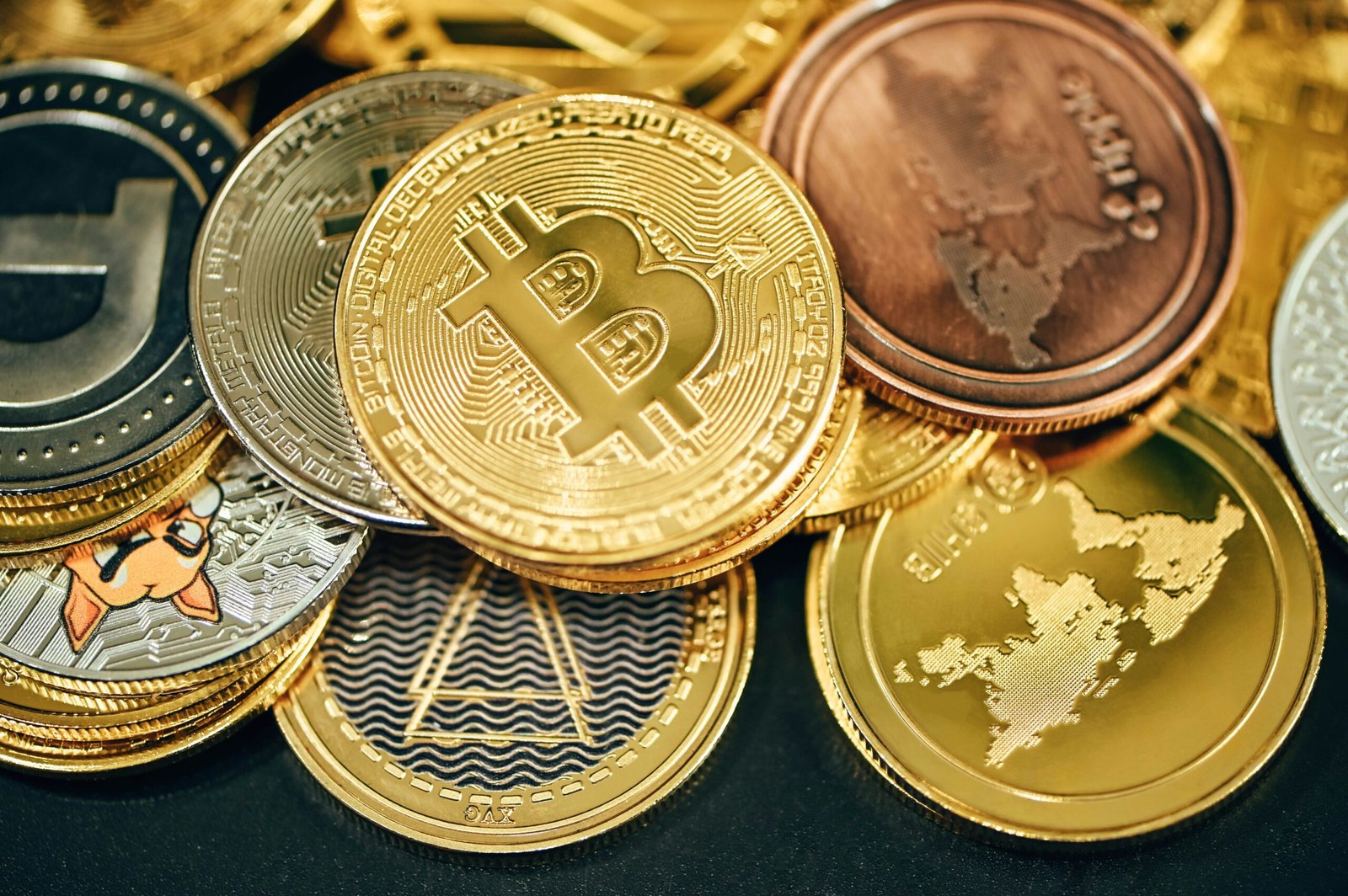
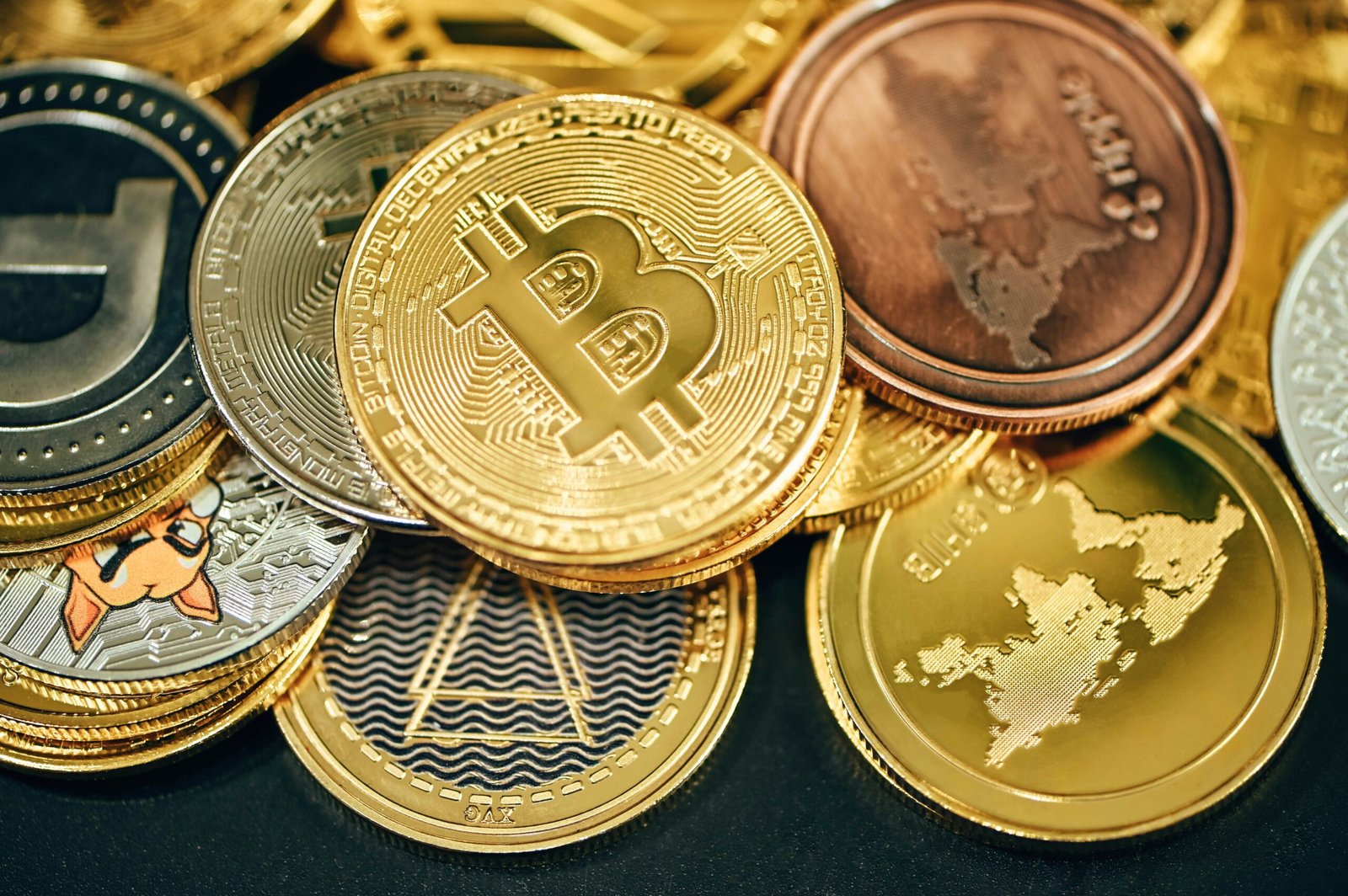
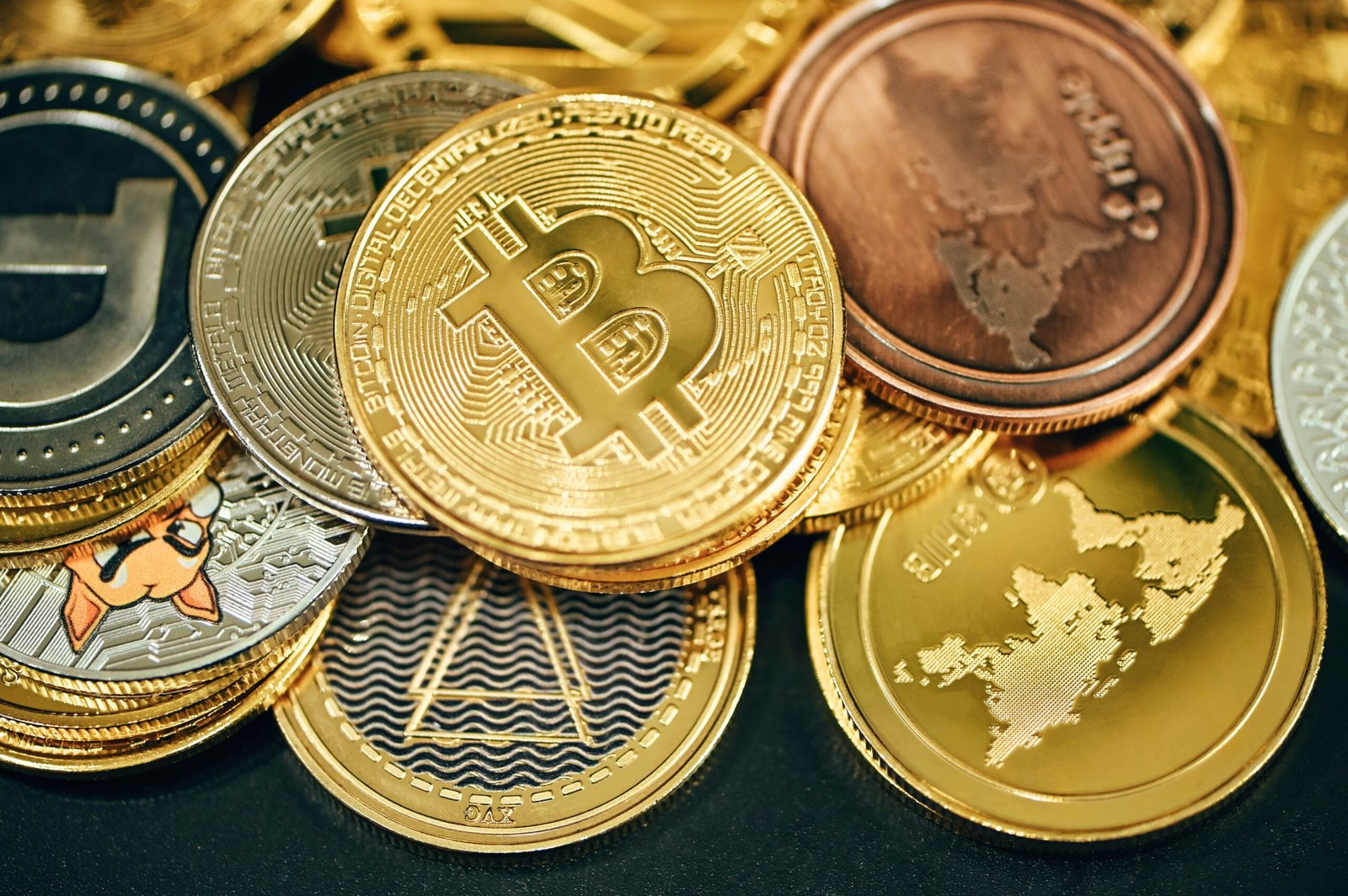
At its core, blockchain technology is a distributed ledger that ensures transparency, security, and immutability of data. Each block in the chain contains a set of transactions that are validated through a consensus mechanism, making it nearly impossible to alter any historical transaction without the agreement of the network. This feature is crucial in fostering trust among users and establishes a new paradigm in finance, known as decentralized finance (DeFi). DeFi enables individuals to engage in financial transactions without the intervention of traditional financial institutions, representing a shift towards a more inclusive financial ecosystem.
The growing significance of cryptocurrency can be attributed to various factors, including the increasing demand for digital transactions, migration towards a cashless society, and rising skepticism towards conventional banking systems. As cryptocurrencies continue to proliferate in both usage and variety, they have drawn the attention of investors, regulators, and the general public alike. Various cryptocurrencies have emerged, each with unique characteristics and applications, thereby creating a rich landscape for exploration and investment. This blog post will delve deeper into specific cryptocurrencies, such as Jio Coin and Dogecoin, assessing their potential in the ever-evolving world of digital currencies.
What is Jio Coin?
Jio Coin is a digital currency initiative introduced by Jio, which is a subsidiary of the multinational conglomerate Reliance Industries Limited. Launched in the backdrop of a rapidly evolving digital finance landscape, Jio Coin aims to capitalize on the potential of blockchain technology and provide a new means of transaction for its users. The inception of Jio Coin is primarily tied to the significant advancements made by the Reliance group in telecommunications and digital services, making it a noteworthy contender in the burgeoning world of cryptocurrencies.
The purpose of Jio Coin encompasses a myriad of applications, ranging from facilitating secure peer-to-peer transactions to enabling smart contracts. By harnessing the capabilities of distributed ledger technology, Jio Coin promises enhanced transparency, security, and efficiency over traditional currency systems. Users can expect an easy-to-use platform for transactions, as well as an environment that promotes seamless integration within existing financial frameworks.
One of the distinctive features proposed for Jio Coin is its potential to integrate with various services provided by the Reliance group, such as telecommunications, e-commerce, and entertainment. This integration could provide users with a unified platform for transactions, offering unique advantages not available in conventional currencies. Furthermore, Jio Coin is expected to facilitate instant transactions with minimal fees, making it an attractive option for regular users as well as businesses.
Jio Coin’s future plans hint at a vibrant ecosystem where it can co-exist with current financial practices. With the backing of one of India’s largest corporations, Jio Coin is poised to navigate the complexities of the digital currency landscape effectively. For more information on this innovative venture, you can visit the official site at Reliance Supplier. The potential for Jio Coin in reshaping financial transactions and its unique advantages over traditional currencies make it a topic of significant interest.
What is Dogecoin?
Dogecoin is a cryptocurrency that was initially introduced as a joke in December 2013, drawing inspiration from the popular “Doge” meme featuring a Shiba Inu. Despite its humble beginnings, Dogecoin has evolved significantly and carved out a niche in the cryptocurrency market. It was created by software engineers Billy Markus and Jackson Palmer as a fun and friendly digital currency, intending to attract a wider audience compared to other cryptocurrencies like Bitcoin and Ethereum.
The underlying technology of Dogecoin is similar to that of Bitcoin, relying on blockchain technology to facilitate secure and transparent transactions. However, Dogecoin’s block time is faster, allowing for quicker transaction confirmations. This characteristic has made it an appealing option for micro-transactions and tipping. Over the years, the Dogecoin community has played a crucial role in promoting the currency, organizing charitable events, and supporting numerous initiatives, such as funding the Jamaican bobsled team for the 2014 Winter Olympics.
In terms of usability, Dogecoin allows for seamless transactions across various platforms and is accepted by an increasing number of online merchants. This acceptance is partly due to its low transaction fees and the vibrant community that backs it. The currency has gained popularity among celebrities, most notably Elon Musk, whose tweets and endorsements helped propel Dogecoin into the mainstream consciousness and significantly impacted its market performance.
While Dogecoin has experienced substantial price volatility, its growth trajectory is noteworthy. It has transformed from a meme-based currency into a serious contender in the cryptocurrency space, attracting investment and engagement from enthusiasts globally. Various factors, including community support, transaction efficiency, and celebrity endorsements, have contributed to Dogecoin’s emergence as a significant player in the ever-evolving world of digital currency.
Comparative Analysis of Utility
When evaluating the utility of Jio Coin and Dogecoin, various factors such as transaction speed, network efficiency, and acceptance across platforms come into play. Both cryptocurrencies serve distinct purposes; however, their functional benefits differ in the context of user and business applications.
Starting with transaction speed, Jio Coin is designed to facilitate high-speed transactions, primarily aimed at enhancing the efficiency of digital commerce. The underlying technology of Jio Coin aims to accommodate a larger number of transactions per second compared to Dogecoin, which has a quicker processing time for individual transactions but is limited in scalability due to its foundational infrastructure. As businesses increasingly seek rapid payment solutions, Jio Coin’s capacity for high-frequency transactions positions it favorably in this regard.
Network efficiency is another critical aspect. Jio Coin benefits from a centralized structure that can optimize transaction confirmation, aiming for minimal processing delays and lower transaction costs. In contrast, Dogecoin operates on a decentralized network, which enhances its security and resilience but can lead to variable transaction speeds depending on network congestion. This characteristic may deter users who prioritize speed and cost-effectiveness in their digital transactions.
Acceptance across platforms is an essential consideration for both cryptocurrencies. Dogecoin has gained significant popularity within the community and is accepted by numerous merchants and online platforms, contributing to its visibility and usability in everyday transactions. Jio Coin, however, is in the early stages of its rollout, and its acceptance is primarily limited to Jio’s ecosystem. This limitation may present a barrier to widespread adoption as users seek versatile currencies for diverse transactions.
In conclusion, while both Jio Coin and Dogecoin present unique advantages, Jio Coin stands out in terms of potential transaction speed and network efficiency. However, Dogecoin’s broad acceptance may offer a practical edge in real-world applications, particularly for users looking for immediate utility across various online platforms.
Market Trends and Future Outlook
In recent months, the cryptocurrency landscape has witnessed substantial fluctuations, particularly concerning Jio Coin and Dogecoin. Jio Coin, associated with the Indian telecommunications giant Reliance Jio, has garnered significant attention within the domestic market. It has shown notable price volatility, primarily driven by speculative trading and market sentiment. Analysts observe that the market capitalization of Jio Coin has been on the rise, albeit it currently trails behind established cryptocurrencies like Dogecoin, which enjoys a more robust presence due to its established community and long-standing market position.
Conversely, Dogecoin has emerged as a popular digital asset, recognized for its humorous branding and enthusiastic online following. The coin has maintained a relatively high market capitalization, positioning it among the top cryptocurrencies globally. However, Dogecoin is not immune to volatility; it has experienced severe price swings influenced by social media trends and endorsements from high-profile figures, particularly in 2021 when it reached unprecedented heights. The trading volumes of Dogecoin remain substantial, showcasing a strong investor interest that often positions it favorably against newer entrants like Jio Coin.
Looking ahead, experts provide mixed opinions regarding the trajectory of both cryptocurrencies. Some analysts express optimism about Jio Coin’s integration with Reliance Jio’s extensive user base, suggesting potential growth opportunities as the company amplifies its tech-driven initiatives. However, they caution against regulatory challenges that may impede its progress, notably in the context of India’s evolving cryptocurrency regulations.
On the other hand, Dogecoin continues to benefit from community enthusiasm, but its future may hinge on its ability to secure widespread adoption beyond speculative trade. Both cryptocurrencies face distinct challenges and opportunities in an ever-evolving market, compelling investors to conduct thorough research before making decisions. Understanding these dynamics will be crucial for navigating the prospects of Jio Coin and Dogecoin in the coming years.
Governance and Regulation Factors
Governance and regulatory frameworks play a crucial role in shaping the potential of cryptocurrencies, including Jio Coin and Dogecoin. For Jio Coin, the regulatory environment in India is particularly significant. The Indian government’s stance on cryptocurrencies has been fluctuating, with various proposals and discussions around the legalization and taxation of digital currencies. Clarity in governance could greatly enhance Jio Coin’s adoption, as regulatory approval may encourage institutional investments and wider public acceptance. Additionally, a favorable regulatory framework can help mitigate risks associated with fraud and volatility, ultimately fostering a more secure environment for investors.
On the other hand, Dogecoin operates in a broader, more diversified regulatory landscape, given its global outreach. While Dogecoin has generally enjoyed more lenient regulatory scrutiny compared to other cryptocurrencies, it still faces challenges related to the overarching policies regarding digital assets. In jurisdictions where tighter regulations are being implemented, Dogecoin’s value could be directly influenced by the governmental response to cryptocurrencies overall. The community-driven aspect of Dogecoin also plays a key role; governance decisions are often dictated by community consensus, which can lead to faster adaptation to regulatory changes.
The contrast in governance between Jio Coin and Dogecoin highlights different approaches to cryptocurrency regulation. While Jio Coin’s future in India’s unclear regulatory landscape presents potential challenges, Dogecoin’s decentralized governance model provides a flexible approach to comply with varying global regulations. Understanding these governance frameworks is essential for potential investors to gauge the risks and opportunities associated with these two cryptocurrencies. Ultimately, their future performance may hinge significantly on how effectively they navigate their respective regulatory environments.
Community and Ecosystem Support
The strength and engagement of the communities behind Jio Coin and Dogecoin play a crucial role in the potential success of each cryptocurrency. Community-driven projects often exhibit increased resilience and adaptability, allowing them to thrive despite market volatility. In the case of Dogecoin, the community is renowned for its vibrant and active nature. Initially launched as a meme currency, Dogecoin has garnered a loyal following that contributes to its ongoing growth. This dedicated base has successfully mobilized resources for charitable causes, promotion, and broader adoption, fostering an ecosystem of support that underpins the currency’s stability.
On the other hand, Jio Coin, emerging from the well-established Reliance Jio ecosystem in India, leverages a unique community dynamic. The Reliance Jio community is significant, comprising millions who engage with its telecommunication and digital services. The potential for Jio Coin to tap into this massive user base offers a distinct advantage in terms of community support. However, as a newer player in the cryptocurrency market, Jio Coin’s community is still in the formative stages, and its overall engagement levels will need to grow to enhance its attractiveness to investors.
Both cryptocurrencies utilize social media platforms to build their communities and promote growth. Dogecoin has effectively utilized platforms like Twitter, Reddit, and Telegram to rally support, share news, and foster community engagement. Their strong online presence aids in spreading awareness and further solidifying their brand. Jio Coin, while not as established on these platforms, can leverage Reliance Jio’s existing resources to cultivate a similar following. A robust social media strategy may significantly impact the currency’s future outreach, community engagement, and overall success.
In summary, the community and ecosystem support surrounding both Jio Coin and Dogecoin are critical to their potential. Dogecoin enjoys a well-developed community, while Jio Coin’s affiliation with Reliance Jio provides it with unique advantages that may drive its growth in the coming years.
Risk Assessment and Challenges
Investing in cryptocurrencies such as Jio Coin and Dogecoin involves navigating a landscape characterized by significant risks and challenges. Market instability remains one of the most prevalent concerns for investors. Both cryptocurrencies can experience substantial price fluctuations due to factors such as speculative trading, market sentiment, and global economic conditions. Jio Coin, as a relatively new entrant, may be particularly susceptible to these market dynamics, making it essential for investors to remain vigilant and stay updated on market trends.
Regulatory hurdles can also pose a considerable risk for cryptocurrency investment. Governments around the world are continually evaluating their stance on digital currencies, which can result in sudden policy changes that may adversely affect the value and legality of Jio Coin and Dogecoin. For instance, any announcements regarding stricter regulations can lead to negative sentiment in the market, potentially causing prices to plunge. Investors must be aware of the regulatory environment in their jurisdictions and consider how it might impact their investments.
Technological obstacles represent another layer of risk. The underlying technology that supports cryptocurrencies, including blockchain, is still evolving. Issues such as scalability, transaction speed, and energy consumption can affect performance, particularly during high demand periods. Jio Coin, being in its early stages, may face challenges in achieving the technological advancements needed to compete with established cryptocurrencies like Dogecoin.
Security concerns are paramount in the cryptocurrency space. Investors risk losing their assets due to hacking incidents or fraud. Both Jio Coin and Dogecoin have had their share of security-related issues, although their degree varies. Best practices for mitigating these risks include storing coins in secure wallets, enabling two-factor authentication, and staying informed about potential threats in the digital asset landscape.
Final Thoughts: Which Has More Potential?
As we reach the end of our analysis comparing Jio Coin and Dogecoin, it is essential to reflect on the various factors that influence the potential of these cryptocurrencies. Both Jio Coin and Dogecoin have attracted attention within the digital currency market, but their trajectories and inherent qualities vary significantly.
Jio Coin, an initiative linked to the renowned telecommunications company Reliance Jio, appears to leverage the vast infrastructure and customer base of its parent organization. This connection is expected to provide it with a foundation for utility and adoption, particularly among users who are already entrenched in the Jio ecosystem. Its potential may be closely tied to the company’s plans for the future, which include expanding into various digital services, potentially increasing the coin’s relevance and value as a utility token.
On the other hand, Dogecoin has established a solid reputation as a community-driven cryptocurrency, gaining significant traction due to its light-hearted nature and widespread meme culture. Its appeal lies not merely in its original fun-centric branding but also in its growing acceptance for transactions and charitable contributions. The support from its community has proven to be a powerful driver, fostering its usage and liquidity in the market.
While Jio Coin shows promise rooted in corporate backing, Dogecoin embodies a grassroots, community-oriented aspect that has allowed it to endure various market fluctuations. It is crucial for potential investors to assess their priorities when considering these two options. Whether you are drawn to the corporate utility and future prospects of Jio Coin or the established community support and transactional appeal of Dogecoin, careful analysis and a consideration of personal investment goals will serve as a guiding compass in this decision-making process.



 Accessories



 All products