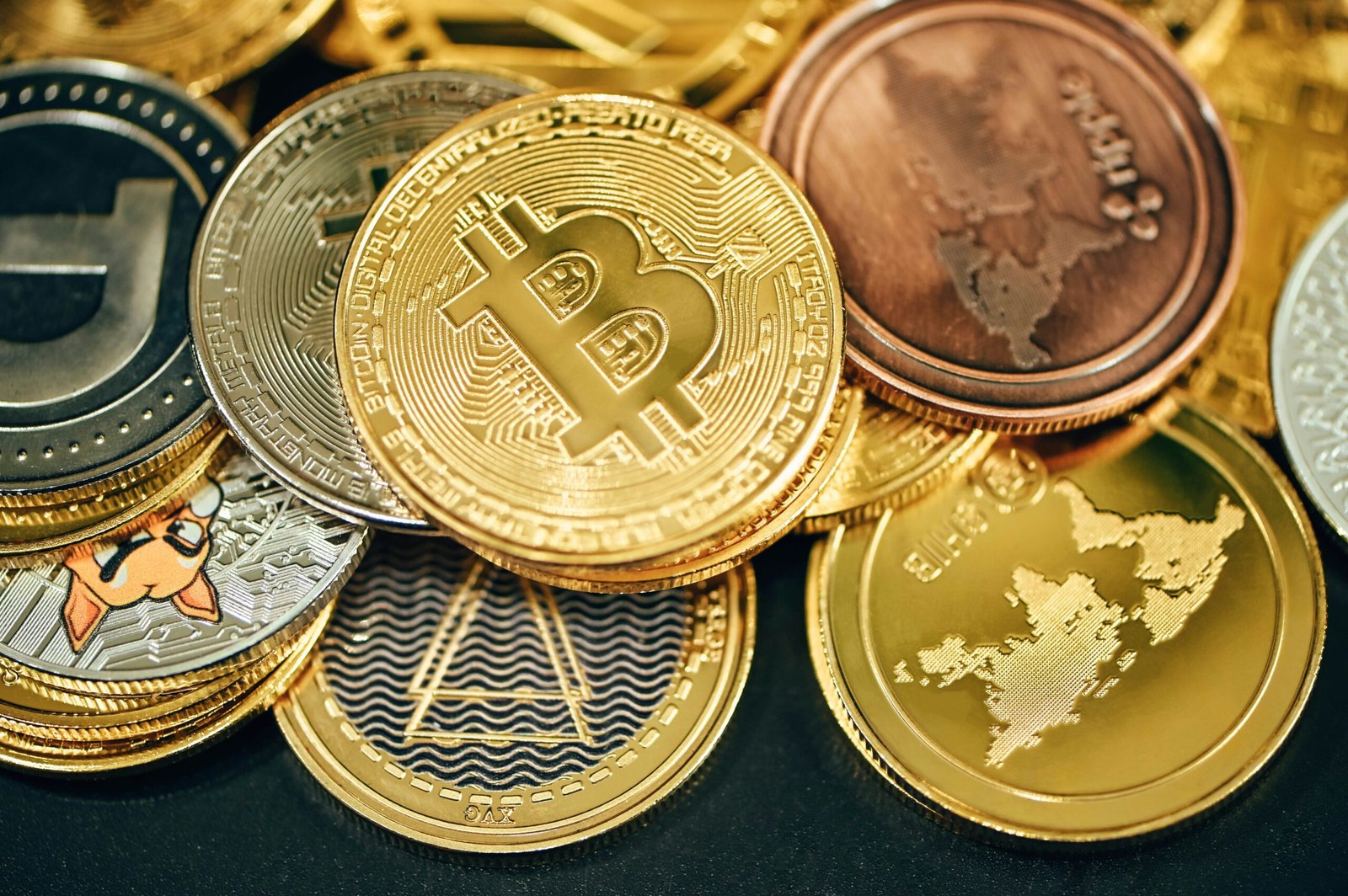
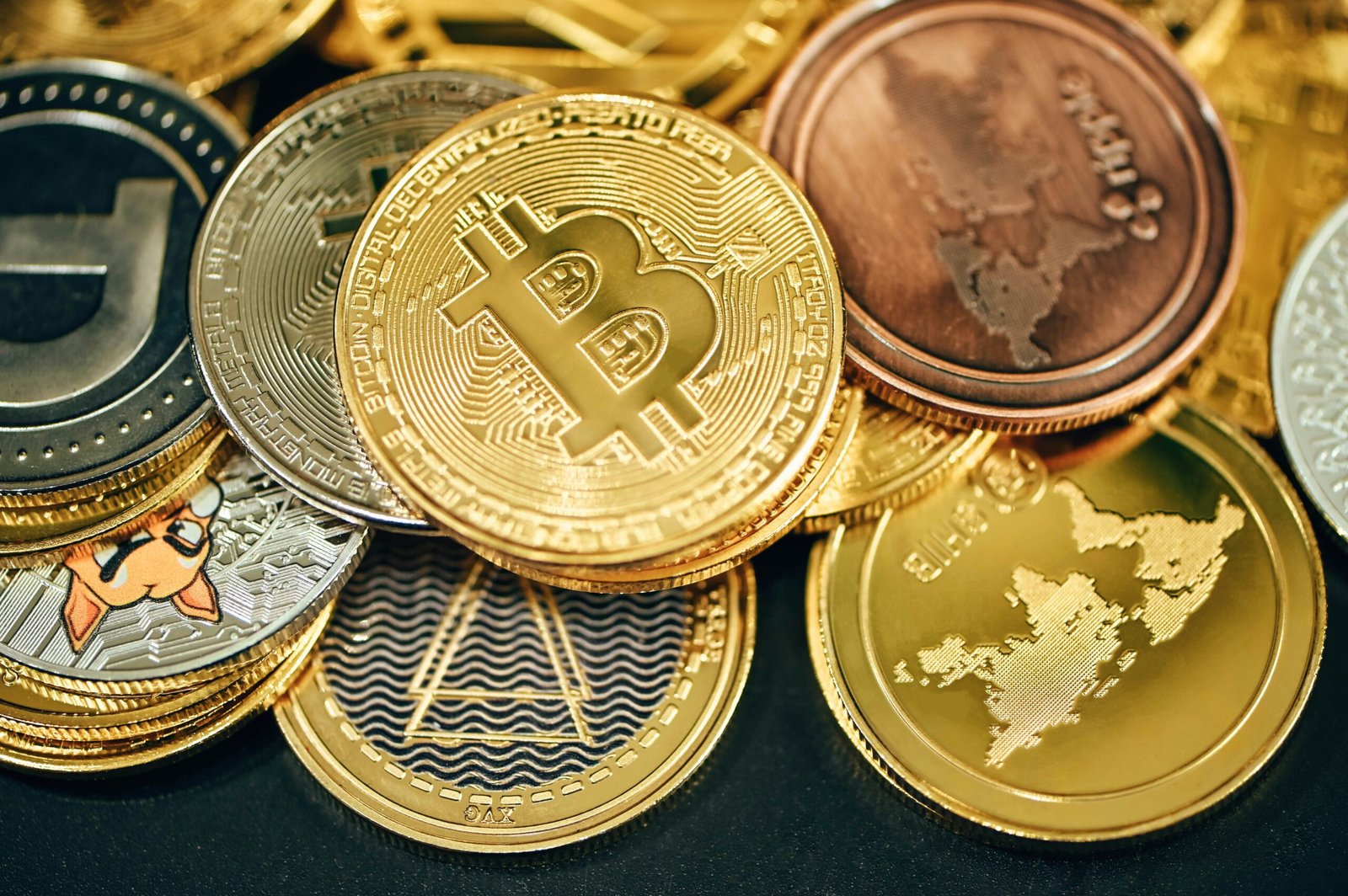
Cryptocurrencies have emerged as a revolutionary form of digital currency that operates on blockchain technology, a decentralized ledger ensuring transparency and security. The cryptocurrency definition encapsulates a digital or virtual currency that uses cryptography for security, allowing users to conduct transactions without the need for intermediaries like banks. The history of cryptocurrencies traces back to 2009 with the launch of Bitcoin by an anonymous figure known as Satoshi Nakamoto. This marked the inception of the first decentralized cryptocurrency, and since then, the market has witnessed an exponential growth, with thousands of alternative coins being developed.
The primary features that distinguish cryptocurrencies from traditional forms of currency include decentralization, security, and limited supply. Unlike fiat currencies controlled by governments and central banks, cryptocurrencies operate on a peer-to-peer network, allowing individuals to send and receive funds globally without restrictions. The inherent security provided by cryptographic techniques ensures that transactions are verified and immutable. Furthermore, many cryptocurrencies have a capped supply, which can create scarcity and drive value over time.
As the cryptocurrency market continues to expand, the introduction of new coins and tokens further diversifies the landscape. Innovative projects frequently emerge, each with unique selling propositions aimed at addressing various social, economic, and technological challenges. For instance, Jio Coin and Dogecoin are prominent examples of this diversification, attracting investor interest for different reasons. A comprehensive understanding of how cryptocurrencies work, including the underlying technology and their economic implications, is essential for individuals looking to navigate this rapidly evolving domain. Consequently, as investors explore their options, it becomes crucial to discern which cryptocurrencies present more potential for future growth and adoption.
Overview of Jio Coin
Jio Coin is an emerging cryptocurrency introduced by Reliance Jio, a subsidiary of the prominent Indian conglomerate Reliance Industries. Launched with the intention of leveraging the vast user base of Reliance Jio, which boasts over 400 million subscribers, Jio Coin aims to create an ecosystem where digital transactions can thrive. The motivation behind its creation stems from Reliance Jio’s ambition to revolutionize the digital economy in India while promoting cashless transactions.
The underlying technology of Jio Coin is designed to support decentralized operations while ensuring security and efficiency. The reliance on blockchain technology not only underscores its commitment to transparency but also facilitates faster transaction processing, potentially making it a favored choice among users for various digital services. As a part of the broader vision for digital payment solutions, Jio Coin is expected to integrate seamlessly with existing platforms, thereby enhancing its usability and adoption.
In terms of governance, Jio Coin is expected to offer a robust framework for managing transactions and maintaining the integrity of the currency. The governance model aims to empower both users and stakeholders, ensuring that decisions are made collaboratively while maintaining adherence to regulatory compliance. This governance structure is crucial for instilling trust among potential investors and users looking to engage with this new cryptocurrency.
Regarding Jio Coin investment potential, many financial analysts express optimism about its future value as it seeks to tap into the burgeoning digital economy in India. Its association with a well-established telecommunications provider presents unique advantages, making it an appealing option for investors looking to diversify their portfolios. With numerous potential use cases ranging from microtransactions to smart contracts, Jio Coin is positioned to play a significant role in the evolving landscape of cryptocurrencies.
Overview of Dogecoin
Dogecoin, initially created as a parody in December 2013, has significantly evolved from its humble beginnings. Originated by software engineers Billy Markus and Jackson Palmer, the cryptocurrency was derived from the popular “Doge” meme featuring a Shiba Inu dog. It was designed to offer a fun and friendly alternative to Bitcoin, capturing a unique opportunity within a burgeoning digital currency market. This humorous inception has undeniably contributed to Dogecoin’s longstanding popularity.
At its core, Dogecoin operates on a decentralized blockchain, much like other cryptocurrencies. However, its characteristics distinguish it from more traditional coins. With a block time of just one minute and no cap on its supply, Dogecoin allows for greater accessibility and transaction efficiency. This attribute, combined with its inflationary nature, ensures that there are always enough coins available for users, fostering an environment of increased utility and engagement.
The Dogecoin community has greatly impacted its development and popularity. Known for their generosity and active participation, the members often engage in fundraising efforts and community initiatives. Notably, the Dogecoin community raised funds to sponsor the Jamaican bobsled team at the 2014 Winter Olympics, showcasing the coin’s sense of humor and camaraderie. Furthermore, social media platforms like Twitter and Reddit have significantly influenced Dogecoin’s prominence in recent times, with viral content and endorsements from celebrities propelling it into the public eye.
Various applications have emerged for Dogecoin, ranging from tipping content creators to funding charitable causes. Its low transaction fees make it an appealing option for microtransactions. The overall impact of the Dogecoin community has elevated it beyond mere novelty, establishing it as a formidable player within the cryptocurrency landscape.
Market Performance Comparison
The cryptocurrency market has experienced significant fluctuations over the past few years, and an in-depth analysis of Jio Coin market performance and Dogecoin’s price trend can provide insights into their viability as investment options. Market capitalization is a critical metric for assessing a cryptocurrency’s overall value, and as of October 2023, Dogecoin holds a commanding position with a market cap exceeding $10 billion. In contrast, Jio Coin’s market capitalization remains modest, reflecting its nascent stage in the cryptocurrency space.
When examining the price trends of both cryptocurrencies, it is essential to consider their historical performance. Dogecoin, introduced as a meme cryptocurrency, has captured substantial attention, especially in 2021 when its price surged dramatically due to social media influence and endorsements from high-profile figures. In contrast, Jio Coin, while still largely speculative, has shown promising and gradual growth, attracting a niche audience primarily focused on its utility within the Jio ecosystem.
Trading volume is another crucial aspect of our cryptocurrency market comparison. Dogecoin consistently records high trading volumes, indicating a robust investor interest and liquidity, essential components for any cryptocurrency’s longevity. Jio Coin, however, has been characterized by lower trading volumes, which may suggest less market engagement. This can hinder its ability to gain traction in an increasingly competitive environment.
To visualize these trends effectively, graphical representations can elucidate the stark differences in performance metrics, showcasing price movements alongside trading volumes over specific timeframes. By systematically comparing the Jio Coin market performance against that of Dogecoin, potential investors can gain a clearer understanding of each cryptocurrency’s market position and future growth potential.
Technological Aspects: Jio Coin vs Dogecoin
The technological foundations of cryptocurrencies play a pivotal role in their functionality and potential for growth. In the case of Jio Coin, its technology is built on a robust blockchain architecture that promises to enhance transaction speeds significantly. Jio Coin technology has been designed to support the burgeoning digital ecosystem of Jio, aiming for seamless transaction capabilities. It incorporates advanced consensus algorithms, which contribute to faster processing times compared to traditional cryptocurrencies. This innovation is particularly appealing to users who prioritize efficiency in digital transactions.
On the other hand, Dogecoin operates on a more established blockchain that was initially created as a parody of Bitcoin. The Dogecoin blockchain utilizes a unique proof-of-work mechanism that allows for swift block generation times, typically around one minute. Though it may not boast the cutting-edge features found in newer projects like Jio Coin, Dogecoin’s long-standing presence in the market has solidified its reliability and community support. Its security features, while not unmatched, have evolved with time through community-driven improvements, demonstrating the resilience and adaptability of its technology.
When it comes to scalability, both cryptocurrencies exhibit strengths and weaknesses. Jio Coin focuses on scalability to manage high transactional throughput, suitable for a vast user base. Dogecoin, although capable of handling a decent volume of transactions, has occasionally faced network congestion during peaks in activity. Overall, the cryptocurrency technology comparison reveals distinct paths taken by these two digital currencies. Each has its unique advantages, catering to different user needs and market demands. While Jio Coin is emerging with a focus on cutting-edge technology, Dogecoin remains a reliable choice with an established presence. The evolution of both cryptocurrencies’ technologies will likely play a significant role in their future potential in the competitive landscape of digital currencies.
Use Cases and Adoption Rates
Jio Coin and Dogecoin present distinct use cases and adoption rates that highlight their roles within the cryptocurrency ecosystem. Jio Coin, largely associated with the Indian telecommunications giant Reliance Jio, is primarily aimed at enhancing digital transactions within its vast user base. With its roots in a nation experiencing rapid digital transformation, Jio Coin adoption appears to align with the increasing demand for seamless payment solutions among consumers engaged in the Reliance ecosystem. Additionally, partnerships with various businesses could bolster Jio Coin’s position by enabling easier accessibility and integration into everyday services.
In contrast, Dogecoin was initially created as a meme-inspired cryptocurrency but has since evolved into a more widely accepted digital asset. It has garnered attention for its community-driven approach, spawning a multitude of projects that utilize the coin for tipping content creators, fundraising, and even purchasing everyday goods. The adoption of Dogecoin among merchants has also been notable, with more businesses accepting it as a payment method. This organic growth in acceptance and utility showcases the flexibility of Dogecoin’s use cases and significantly influences its cryptocurrency adoption trends.
Both coins face distinct challenges in terms of widespread acceptance. Factors such as regulatory scrutiny, market volatility, and competition from other cryptocurrencies impact their respective adoption rates. Furthermore, the communities supporting Jio Coin and Dogecoin play critical roles in their adoption. While Jio Coin benefits from the backing of Reliance’s massive user base, Dogecoin enjoys substantial grassroots support and social media presence, which aid in fostering a loyal community advocating for its use.
By comparing these two cryptocurrencies, it becomes apparent how use cases and adoption rates contribute to their potential trajectory in the market. Understanding these factors is crucial for prospective investors and users alike.
Investing Potential: Risks and Rewards
When evaluating the investment potential of Jio Coin compared to Dogecoin, it is essential to consider various factors, including market volatility, liquidity, regulatory considerations, and selected investment strategies. Both cryptocurrencies possess unique characteristics that contribute to their risk and reward profiles.
Jio Coin, a relatively new entrant in the market, carries a higher degree of Jio Coin investment risk due to its nascent stage of development. As it seeks to establish itself within the crowded cryptocurrency landscape, investors may face challenges related to price fluctuations and uncertainty regarding its long-term viability. Furthermore, the evolving regulatory environment surrounding cryptocurrencies can impact Jio Coin. Investors must remain vigilant, as changes in regulations may influence its acceptance and market performance.
In contrast, Dogecoin enjoys a more established position in the cryptocurrency realm. Initially created as a joke, Dogecoin has garnered a robust following and considerable market liquidity. This established demand contributes to a more favorable risk-reward balance for investors. However, it is crucial to recognize that Dogecoin is still subject to market volatility and speculative trading, occasionally leading to significant price swings.
When developing cryptocurrency investment strategies, both Jio Coin and Dogecoin require careful consideration. For risk-averse investors, diversifying into well-established cryptocurrencies like Dogecoin might offer a more stable investment opportunity. Conversely, those willing to embrace higher risk for potentially greater rewards may find opportunities in Jio Coin, provided they conduct thorough research and assess market trends critically.
In conclusion, the investment potential of Jio Coin and Dogecoin hinges on individual risk tolerance and market dynamics. Evaluating the specific risks and rewards associated with each cryptocurrency can empower investors to make informed decisions tailored to their financial objectives.
Expert Opinions and Market Predictions
In the ever-evolving landscape of cryptocurrencies, expert analyses and predictions play a crucial role in guiding investors towards potential opportunities. As we explore the future of both Jio Coin and Dogecoin, insights from cryptocurrency experts provide a foundation for understanding market sentiments and investment potential. According to several financial analysts, the Jio Coin future outlook is somewhat optimistic, primarily due to its backing from a reputable telecommunications company. Experts argue that with Jio’s strong market presence and technological infrastructure, Jio Coin is positioned well to capture value in the digital currency realm.
Market predictions suggest that Jio Coin may benefit from broader adoption within the ecosystem created by Jio, including its large user base and significant digital services portfolio. Analysts have pointed out that long-term growth in the Jio Coin market may likely be moderated by factors such as regulatory scrutiny and competition from established cryptocurrencies. However, the overall sentiment remains that if positioned correctly, Jio Coin could provide compelling investment prospects, especially for those looking to diversify their cryptocurrency portfolios.
In contrast, expert forecasts regarding Dogecoin exhibit a blend of enthusiasm and caution. Despite its origins as a meme-based currency, Dogecoin has gained substantial traction and community support, often described as a ‘people’s cryptocurrency.’ Some cryptocurrency expert predictions indicate that Dogecoin could experience continued volatility, largely influenced by social media trends and endorsement from high-profile figures. The Dogecoin market analysis reveals a mixed outlook, where optimism hinges on the currency’s ability to cultivate a sustainable user base and maintain relevance within the market.
Ultimately, both Jio Coin and Dogecoin present distinct opportunities and challenges for investors. By examining these expert insights and predictions, potential investors can make more informed decisions that align with their financial goals and risk tolerance in the cryptocurrency market.
Conclusion: Making an Informed Decision
In the realm of cryptocurrency investment, the comparison between Jio Coin and Dogecoin reveals essential insights into their respective potentials. Jio Coin, backed by a prominent telecommunications brand, signifies a unique entry into the market and poses promising utility and integration prospects in various sectors. On the other hand, Dogecoin, which started as a meme, has evolved into a notable digital currency with a robust community and substantial market presence. Both cryptocurrencies have distinct advantages and challenges that could influence their future growth.
Key factors influencing the potential of these currencies include market trends, community support, adoption rates, and technological developments. For Jio Coin, the backing of a trusted brand might facilitate faster acceptance and growth, while Dogecoin’s established user base and historical price performance offer certain levels of stability. As investors ponder these two options, assessing personal risk tolerance and investment strategy becomes vital.
Investing in cryptocurrency carries inherent risks and volatility, necessitating thorough research before any financial commitment. Engaging with reliable sources and staying updated on market dynamics will enable investors to make informed decisions. Consequently, it is essential for individuals to evaluate not only the potential returns on their investments but also their comfort levels with associated risks.
Ultimately, as the cryptocurrency landscape continues to evolve, individuals need to be proactive and diligent in their research. For further information and comprehensive insights into diverse investing options, consider visiting reliancesupplier.com. Doing so will equip investors with the knowledge necessary to navigate the complex world of cryptocurrency, including the ongoing Jio Coin vs. Dogecoin debate.



 Accessories



 All products