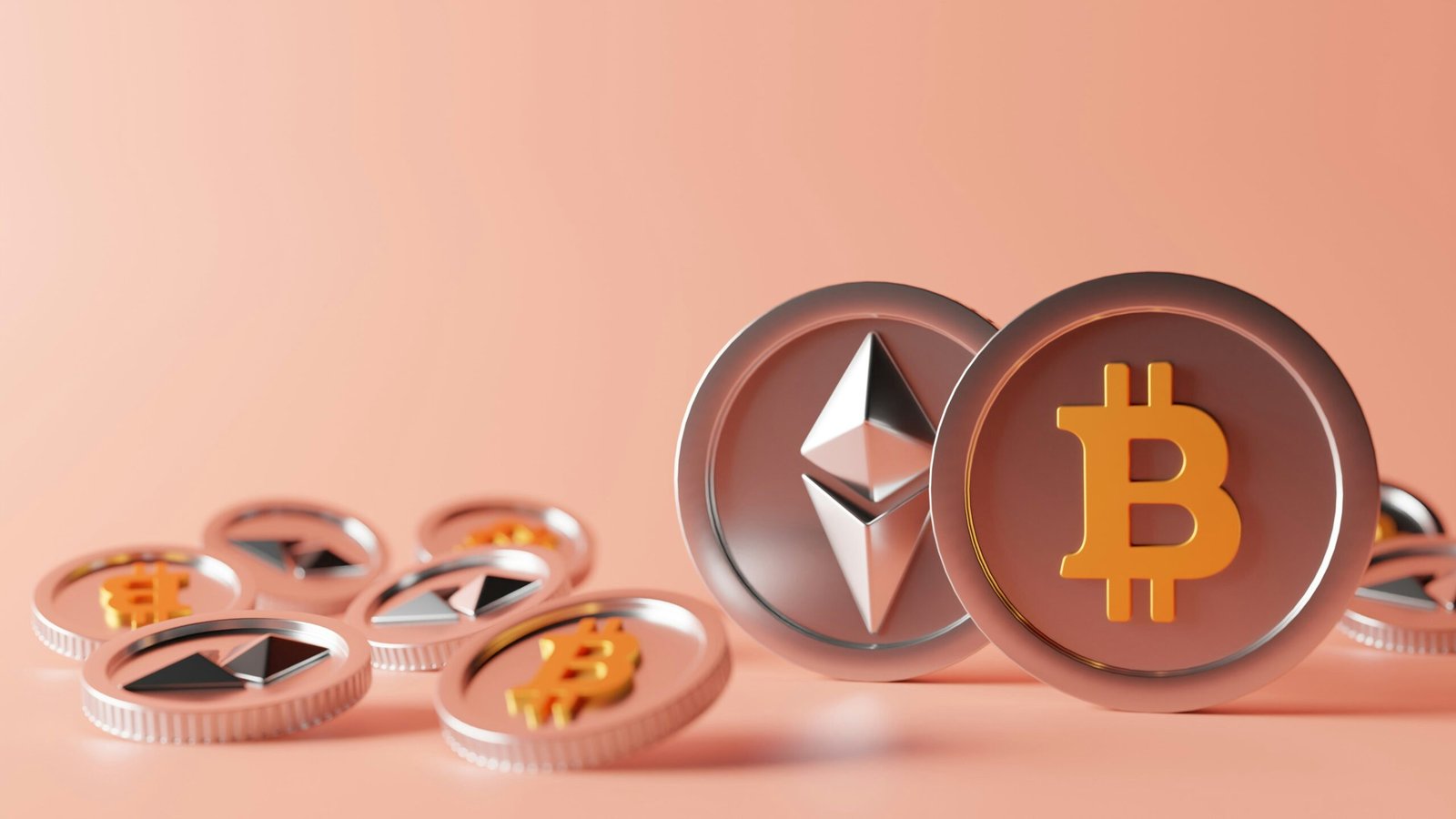
Digital tokens, a subset of cryptocurrencies, have gained significant traction in the financial landscape. These tokens are built on blockchain technology, which facilitates secure, transparent, and tamper-proof transactions without the need for traditional financial intermediaries. As the world increasingly embraces digital assets, the relevance of these tokens has grown, driven by the demand for decentralized finance (DeFi) solutions that offer greater autonomy over one’s financial resources.
Among the myriad of digital tokens available today, Jio Coin stands out as a notable contender. Launched by the Reliance Group in India, Jio Coin aims to streamline various digital transactions and enhance the user experience. The origins of Jio Coin can be traced back to the company’s vision of revolutionizing the financial ecosystem in India, using technology to empower individuals and businesses alike. Jio Coin’s purpose extends beyond mere transactions, as it seeks to foster an environment where users can engage in various financial services with increased efficiency and reduced costs.
What sets Jio Coin apart from other digital currencies is its focus on user accessibility and reliability. The token is designed to integrate seamlessly with existing Jio services, creating a unique value proposition for its users. Additionally, Jio Coin leverages advanced security features inherent in blockchain technology, further ensuring that transactions are secure and confidential. This emphasis on security and user experience positions Jio Coin as a competitive player in the ever-evolving digital token landscape.
Understanding the framework of digital tokens, particularly in the context of Jio Coin, is crucial as it lays the foundation for analyzing competitive dynamics in the cryptocurrency market. The increasing adoption of digital currencies and their applications in the DeFi sphere highlight their potential to reshape conventional finance.
Market Overview: The Rise of Digital Tokens
The digital currency landscape has witnessed significant transformation over the past few years, with numerous digital tokens emerging to diversify the market. The growth of the cryptocurrency market has been remarkable, as evidenced by the increasing market capitalization, which surpasses several trillion dollars. This meteoric rise is primarily fueled by heightened interest and adoption rates from both individual and institutional investors, showcasing the potential of digital assets as a mainstream investment option.
Digital tokens can be categorized into various types, including utility tokens, security tokens, and stablecoins, each designed to serve different purposes within the ecosystem. Utility tokens provide access to a specific product or service, while security tokens represent ownership in an underlying asset, such as company stock or real estate. Stablecoins, on the other hand, are pegged to traditional fiat currencies, aiming to reduce volatility and provide a more stable value proposition to users. This diverse landscape enhances the overall utility of digital currencies and highlights the evolving nature of financial transactions in the digital age.
The role of major players in the digital token environment cannot be understated. Established cryptocurrencies like Bitcoin and Ethereum dominate market share, but newer entrants, such as Jio Coin, are beginning to carve out a niche. These currencies can potentially align with prevailing trends or introduce unique features that set them apart. Furthermore, the regulatory environment is key in shaping the development and acceptance of digital tokens. Governments and financial institutions are increasingly scrutinizing cryptocurrencies, leading to regulations that may either foster growth or challenge their viability. In summary, as Jio Coin enters the competitive landscape, its alignment with prevailing market dynamics and regulatory frameworks will be crucial to its successful adoption alongside other digital tokens.
Comparative Analysis: Jio Coin vs. Competitors
In the rapidly evolving digital currency landscape, Jio Coin has emerged as a notable contender among a plethora of digital tokens. To understand its standing, a comparative analysis is essential, focusing on key criteria such as technology, transaction speed, scalability, and utility. When juxtaposed against established tokens like Bitcoin and Ethereum, several distinctions surface.
Technologically, Jio Coin harnesses blockchain innovation, similar to Bitcoin, but aims to enhance user experience through faster transaction processes and lower fees. Bitcoin, while the pioneer, often grapples with slower transaction speeds due to high network congestion. Ethereum, revered for its smart contract capabilities, offers substantial flexibility; however, it faces scalability challenges, especially during peak usage. Jio Coin seeks to capitalize on these limitations by implementing cutting-edge technology designed for robust scalability and efficiency.
Transaction speed is another critical differentiator. Jio Coin is positioned to outperform both Bitcoin and Ethereum, as its infrastructure allows for near-instantaneous transactions, which is vital for widespread adoption in sectors like e-commerce and digital payments. Comparatively, Bitcoin can take several minutes to process transactions, while Ethereum’s delays can lead to user frustration.
In terms of community support, both Bitcoin and Ethereum benefit from established ecosystems with active user bases and developer engagements. Jio Coin, meanwhile, is actively fostering a supportive community, aimed at promoting awareness and usability among potential users. Its market strategy focuses not only on technological advantages but also on community-driven initiatives that encourage greater participation.
Finally, considering growth potential, while Jio Coin is still in its nascent stages, its backing by a strong business infrastructure provides it with an optimistic outlook. Conversely, Bitcoin and Ethereum have reached significant maturity, which, while stable, may limit explosive growth opportunities in the future. This comparative analysis highlights both the advantages and the challenges Jio Coin faces in the competitive digital token ecosystem.
Conclusion and Future Outlook for Jio Coin
In evaluating the competitive landscape of digital currencies, Jio Coin emerges as a significant player with unique strengths that set it apart from other digital tokens. Its backing by one of India’s largest telecom giants, Reliance Industries, provides an inherent credibility and market reach that many emerging cryptocurrencies lack. This strategic advantage is compounded by an extensive user base, potential collaborations within the digital ecosystem, and the robust infrastructure of Jio’s services. However, Jio Coin faces challenges, such as regulatory scrutiny, market volatility, and the rapidly changing preferences of consumers in the digital finance sector.
Looking toward the future, Jio Coin is well-positioned to thrive in the competitive digital currency landscape, provided it can adapt to emerging trends such as decentralized finance (DeFi), non-fungible tokens (NFTs), and other innovative blockchain applications. Significant developments, such as enhancements in transaction speed, security features, and user engagement strategies, will likely need to be prioritized to cement its market position. Furthermore, the growing trend of digital currencies being integrated into mainstream financial systems could present both opportunities and challenges for Jio Coin as it navigates regulatory landscapes and consumer sentiment.
To stay informed on Jio Coin’s trajectory, readers are encouraged to explore credible sources that offer insights into the latest developments. One such resource is reliancesupplier.com, which provides comprehensive updates about Jio Coin and its operational strategies. Engaging with keywords like “Jio Coin future”, “digital currency trends”, and “cryptocurrency market landscape” will enhance search engine visibility, attracting a broader audience interested in the ongoing evolution of digital tokens. By understanding the dynamics of Jio Coin and the competitive environment, stakeholders can better navigate the possibilities that lie ahead.



 Accessories



 All products