


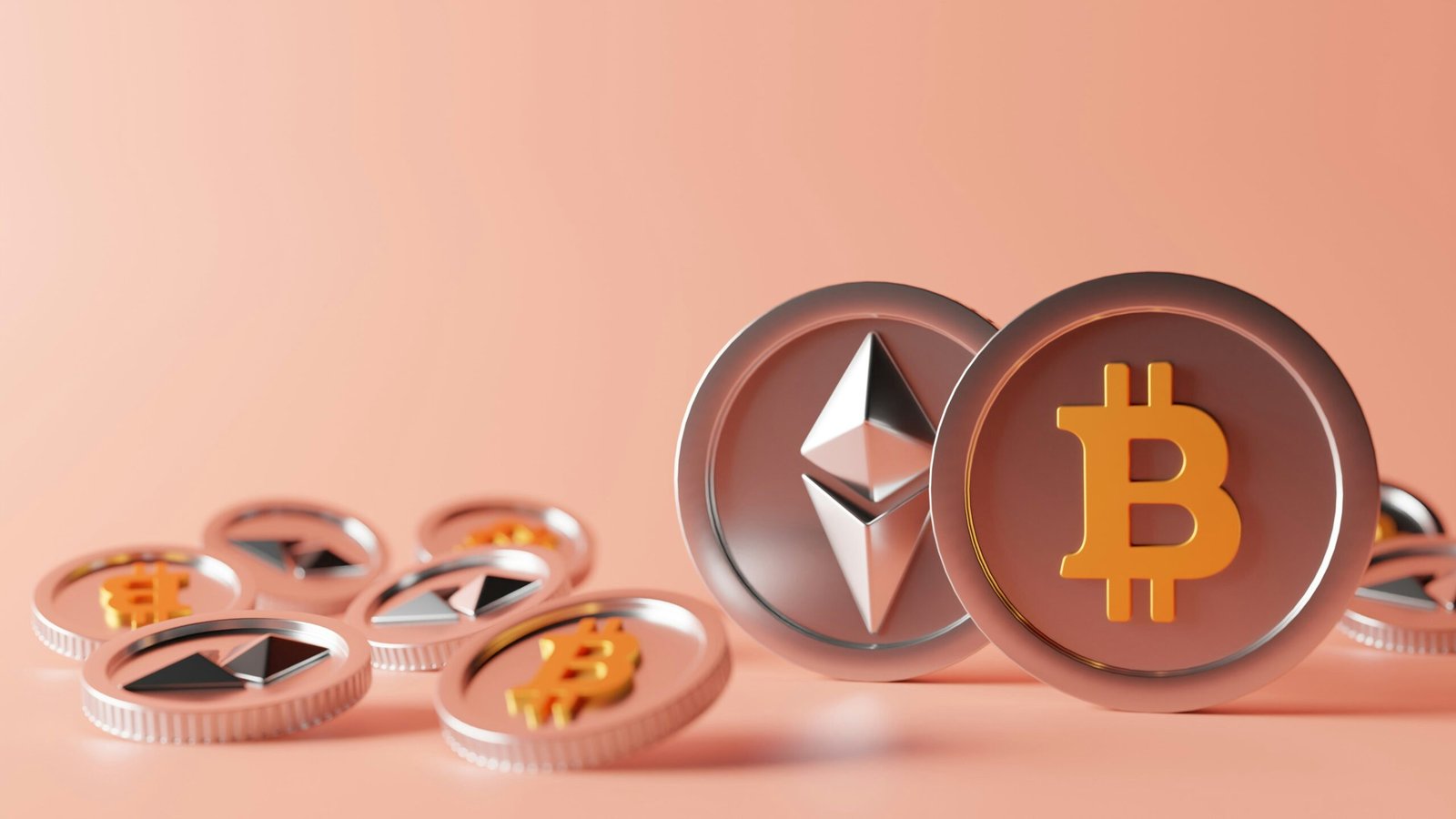
Introduction to Digital Tokens
Digital tokens, often referred to as cryptocurrencies or digital currencies, represent a new form of financial asset that operates on secure and decentralized digital platforms. These tokens are created through blockchain technology, which is a distributed ledger system that ensures transparency, security, and immutability of transactions. At their core, digital tokens serve various purposes, ranging from serving as a medium of exchange to acting as a store of value or a means of accessing specific services within a given ecosystem.
Digital tokens differ in their functions and attributes. Some, like Bitcoin, primarily act as a digital currency aimed at facilitating peer-to-peer transactions without mediators. Others, such as Ethereum’s Ether, based on a more complex platform, enable the execution of smart contracts and decentralized applications (dApps). Meanwhile, utility tokens provide access to a product or service within a blockchain ecosystem, whereas security tokens represent ownership in an asset or company, adhering to existing financial regulations.
As the digital currency landscape continues to evolve, numerous projects have emerged, each seeking to address specific challenges or opportunities within the financial system. Technologically, the growth of digital tokens is largely fueled by advances in blockchain technology that facilitate secure, peer-to-peer transactions while dramatically reducing transaction costs and processing times. These innovations pave the way for new business models, democratize access to financial services, and broaden participation in the global economy.
The emergence of JioCoin, among various other digital tokens, brings crucial attention to the competitive landscape of the digital currency market. Understanding the fundamentals of digital tokens is essential for grasping the significance of JioCoin within the broader context of digital currency offerings.
Understanding JioCoin
JioCoin, the digital currency initiative introduced by Reliance Industries, represents a significant development within the evolving financial landscape. Launched as a part of Reliance’s broader strategy to integrate technology with business, JioCoin aims to facilitate seamless transactions across its vast digital ecosystem, particularly for users engaged with its telecom and digital services. The origin of JioCoin can be traced back to the company’s commitment to harnessing blockchain technology to enhance transparency and security in financial operations.
The concept of JioCoin is rooted in the ambition to offer a viable alternative to existing cryptocurrencies while ensuring practical utility within everyday transactions. By leveraging the extensive user base already tied to the Jio platform, the token seeks to provide enhanced payment solutions for goods and services, both within and outside Reliance’s operations. This positioning allows JioCoin to capitalize on the burgeoning interest in digital currencies while addressing some of the challenges faced by users of traditional cryptocurrencies, such as volatility and lack of scalability.
One of JioCoin’s primary objectives is to create a more accessible digital payment framework, particularly targeting the Indian demographic. Unlike many other cryptocurrencies that often operate with a high degree of anonymity, JioCoin aims to foster a more regulated and secure environment, appealing to users who may be hesitant to engage with less familiar digital tokens. This unique selling proposition places JioCoin in a favorable position within the competitive landscape, as it not only promotes innovation but also aligns with regulatory frameworks established by financial authorities.
As JioCoin continues to develop, it stands poised to make an indelible mark on the broader financial ecosystem, emphasizing integration and practicality over speculation, which often plagues other digital currencies. In this way, JioCoin potentially offers a more stable and user-friendly entry point into the world of digital tokens, setting itself apart in a crowded market.
The Rise of Cryptocurrencies
The inception of cryptocurrencies occurred in 2009 with the launch of Bitcoin, an innovative digital currency that introduced the principle of decentralized monetary transactions. Bitcoin’s underlying technology, the blockchain, allowed for secure peer-to-peer exchanges, laying the groundwork for what would become a profound shift in the financial landscape. Over the years, numerous significant milestones marked the evolution of digital tokens, leading to their increased popularity and integration into global markets.
Following Bitcoin’s emergence, other cryptocurrencies began to surface, most notably Ethereum in 2015, which expanded the possibilities of blockchain technology by facilitating smart contracts. This innovation not only enhanced transaction efficiency but also empowered developers to create decentralized applications (dApps), further establishing Ethereum’s relevance in the cryptocurrency market. The rise of Initial Coin Offerings (ICOs) in the mid-2010s further propelled numerous projects, offering alternative funding mechanisms and showcasing the potential of digital tokens to a broader audience.
The explosive growth of digital tokens can also be attributed to the rise of decentralized finance (DeFi), which democratizes access to financial services without intermediaries. As this trend gained momentum, many investors recognized the potential for cryptocurrencies as both a store of value and a speculative asset, leading to a surge in adoption. Additionally, the increasing acceptance of cryptocurrencies by established financial institutions, alongside regulatory advancements, has fostered an environment conducive to the growth of digital tokens.
As cryptocurrencies continue to evolve, their core characteristics—decentralization, transparency, and security—remain instrumental in shaping their appeal. The combination of innovative technology and a burgeoning global marketplace for digital assets is solidifying the role of cryptocurrencies in contemporary finance. With the introduction of projects like JioCoin, the competitive landscape for digital tokens will likely become increasingly sophisticated.
Comparative Analysis: JioCoin vs. Other Digital Tokens
In the rapidly evolving digital asset market, JioCoin emerges as a noteworthy contender amidst well-established cryptocurrencies such as Bitcoin, Ethereum, and Ripple. Conducting a comparative analysis reveals distinct characteristics across these digital tokens, primarily in terms of market capitalization, underlying technology, security features, scalability, and transaction speed.
Market capitalization serves as a significant indicator of the relative size and significance of a cryptocurrency within the ecosystem. As of October 2023, Bitcoin remains the leader with a market cap exceeding hundreds of billions of dollars. Ethereum follows closely, cementing its position largely due to the booming decentralized finance (DeFi) space. In contrast, JioCoin, while gaining traction, is still in the early stages of its market journey and possesses a smaller market capitalization, reflecting its nascent development and adoption.
Technologically, JioCoin offers unique functionalities; however, Bitcoin operates on the proof-of-work consensus mechanism, which is energy-intensive but secure. In contrast, Ethereum has transitioned to proof-of-stake, promoting enhanced efficiency. Meanwhile, JioCoin aims to integrate innovative solutions, though its technology must continue to advance to compete with these digital giants.
Security features are paramount in the cryptocurrency realm. Bitcoin’s robust security is validated through its extensive network of miners, while Ethereum’s continuous updates maintain its resilience. JioCoin’s security protocols are still emerging and must prove robust to ensure user trust. Scalability is another critical factor; Bitcoin’s limited block size often results in slower transactions, while Ethereum’s capability allows for smarter contracts. Hypothetically, JioCoin could focus on scalability to enhance transaction speed and efficiency, positioning itself favorably in this competitive landscape.
Transaction speed significantly influences user experience and adoption. Currently, Bitcoin transactions can take up to ten minutes, whereas JioCoin distinguishes itself by aiming for faster processing times, which could appeal to users requiring quick transactions. This advantage, if realized, may bolster JioCoin’s standing in the digital currency hierarchy.
Market Reception and Community Support
The reception of JioCoin in the digital currency market has been notably positive, particularly when compared to its contemporaries. Since its launch, JioCoin has experienced a substantial user base growth, reflecting a rising interest among investors and enthusiasts in the cryptocurrency space. As digital tokens continue to capture market attention, JioCoin has managed to carve out a niche for itself, bolstered by its underlying technology and strategic developments that engage potential users.
Community engagement plays a vital role in the success of any digital token, and JioCoin is no exception. Its community has shown a robust commitment, participating actively in discussions, forums, and social media platforms to share knowledge and insights. This sense of belonging fosters loyalty among users, enhancing JioCoin’s market position relative to other digital assets. Furthermore, JioCoin’s developers are dedicated to maintaining this engagement by organizing events and initiatives aimed at bringing its community closer.
Partnerships also significantly impact the perception and functionality of digital tokens. JioCoin has entered several alliances designed to expand its ecosystem, tapping into various industries that leverage blockchain technology. These partnerships enhance the token’s utility and foster an environment of innovation. Such collaborative efforts not only validate JioCoin’s market presence but also create a positive ripple effect within the broader crypto community, contributing to an overall optimistic market sentiment surrounding this digital token.
Other digital tokens may struggle in comparison as JioCoin continues its upward trajectory. The strength of its ecosystem is supported by a thriving community, effective partnerships, and a strong user base. As the landscape evolves, the resilience of JioCoin will depend on sustaining its momentum and adapting to the ever-changing market conditions while keeping its supporters engaged.
Regulatory Environment for JioCoin and Competitors
The regulatory environment for cryptocurrencies is complex and evolving. As digital tokens like JioCoin gain traction in the financial ecosystem, regulatory bodies across the globe scrutinize their usage and trading. Governments are increasingly focused on implementing frameworks that address issues of security, consumer protection, and financial stability. JioCoin, like its counterparts, must navigate these regulatory waters, which can significantly influence its adoption and overall market performance.
In many jurisdictions, regulatory authorities categorize cryptocurrencies in varying ways. They may be classified as commodities, securities, or even currencies, each classification carrying distinct legal implications. For JioCoin, which positions itself as a competitor within the broader digital asset market, understanding the nuances of these classifications is critical. Compliance with anti-money laundering (AML) and know your customer (KYC) regulations is a common requirement mandated for cryptocurrencies, imposing additional costs and operational complexities on JioCoin and its competitors.
Moreover, the potential for government intervention poses inherent risks to the stability and investment viability of JioCoin. Sudden changes in regulation can affect market liquidity, consumer sentiment, and the operational capabilities of cryptocurrency exchanges. The possibility of outright bans or stringent regulatory requirements can also deter investors and limit adoption rates. Consequently, the JioCoin project must continuously assess its compliance status and adapt to evolving laws to mitigate these risks and ensure its offerings remain competitive.
The interplay between innovation and regulation creates a challenging landscape for JioCoin and similar tokens. As the global regulatory framework develops, the ability to navigate these complexities will be pivotal in determining the success and sustainability of JioCoin against the backdrop of other digital currencies.
Potential Use Cases for JioCoin
JioCoin presents a promising frontier in the realm of digital currencies, with potential use cases across various sectors that could significantly disrupt traditional financial systems. One of the most compelling applications of JioCoin is its role in enhancing digital transactions, particularly in e-commerce. With a growing number of consumers favoring online shopping, the integration of JioCoin could streamline payment processes, providing instantaneous transaction settlements while reducing fees associated with traditional payment methods. This could lead to lower costs for consumers and increased revenue for merchants.
In the realm of remittances, JioCoin could revolutionize how individuals send funds across borders. Traditional remittance services often charge exorbitant fees and take several days to process transactions. By utilizing JioCoin, users could benefit from a decentralized system that not only lowers transaction costs significantly but also ensures faster transfer times, all while bypassing intermediaries. This application could empower users in underbanked regions, facilitating access to financial services and promoting economic growth.
Moreover, JioCoin has the potential to revolutionize supply chain management, a sector that has long struggled with issues of transparency and inefficiency. By integrating JioCoin into supply chains, participants can track transactions in real-time, ensuring accountability at each step of the process. This could mitigate fraud and discrepancies while improving trust among stakeholders. A hypothetical case study could involve a large retailer using JioCoin to enhance traceability of products from suppliers to consumers, ensuring quality and compliance with regulations.
Additionally, JioCoin could find valuable applications in the gaming and entertainment industry, where microtransactions are prevalent. Utilizing a digital token like JioCoin could provide seamless in-game purchases, thereby enhancing user experience while enabling developers to lower costs associated with payment processing. This approach not only retains user engagement but also drives revenue growth for developers.
Future Outlook for JioCoin and the Digital Token Market
The future outlook for JioCoin, as a digital token, appears optimistic amidst an evolving landscape characterized by emerging technologies and shifting socio-economic trends. With blockchain technology gaining traction, JioCoin is positioned to tap into the growing interest in decentralized finance (DeFi) solutions, enhancing its utility and appeal. The anticipated incorporation of more advanced smart contracts could significantly transform how transactions are carried out, providing users with enhanced security and transparency.
Furthermore, as valuation in the digital token market remains volatile, JioCoin’s development roadmap is crucial. A focus on innovative use cases, such as integrating JioCoin with digital payment systems or loyalty programs, could bolster its acceptance among mainstream users. Industry forecasts suggest that digital currencies are likely to become more socially integrated, driven by increased consumer education and acceptance. The JioCoin community’s growth initiatives will be pivotal in influencing its adoption and usability in everyday transactions.
Another essential factor contributing to JioCoin’s future viability involves government regulations. As authorities across the globe develop frameworks for digital currencies, JioCoin could benefit from regulatory clarity. This could facilitate partnerships with institutional players, further fostering an ecosystem in which JioCoin thrives. Additionally, socio-economic factors such as the increasing need for financial inclusivity may elevate the demand for digital tokens like JioCoin. By offering more accessible financial solutions, JioCoin could uniquely position itself within the market.
Overall, the potential for JioCoin’s growth is closely tied to technological advancements, regulatory developments, and increased public interest in digital currencies. By strategically navigating these challenges and opportunities, JioCoin can play a crucial role in shaping the future of the digital token market while addressing the evolving needs of users globally.
Conclusion: JioCoin’s Place in the Digital Currency Ecosystem
In the evolving landscape of digital currencies, JioCoin has emerged as a significant player, uniquely positioned to capitalize on the growing interest in cryptocurrencies. Throughout this discussion, we have examined the competitive advantages that JioCoin holds over other digital tokens. Its underlying technology, strategic backing by a prominent telecommunications company, and user-friendly interface are factors that contribute to its appeal in a crowded market.
JioCoin’s robust infrastructure and accessibility are noteworthy. The backing from Reliance Industries has instilled confidence among potential investors and users, paving the way for widespread adoption. Additionally, the integration of JioCoin with existing technological platforms ensures a seamless user experience, setting it apart from many of its competitors. The advantages of scalability and security that JioCoin offers are essential for anyone looking to engage in digital transactions or investment.
Furthermore, as regulatory frameworks around cryptocurrencies continue to evolve, JioCoin is poised to adapt and thrive in various markets. Potential collaborations with other financial institutions and service providers could enhance JioCoin’s utility and expand its reach within the digital currency ecosystem. Looking ahead, the prospects for JioCoin remain promising, with ongoing advancements in technology and a growing acceptance of digital currencies in everyday transactions.
In light of these factors, it is clear that JioCoin holds a competitive edge over other digital tokens. Its strategic positioning, technological strengths, and future growth potential mark it as a noteworthy contender in the digital currency market. For more information about the future of JioCoin and its impact on the digital currency landscape, visit reliancesupplier.com.